
Fashion
Blazertje: The Ultimate Guide to the Stylish “Blazertje” Fashion Trend

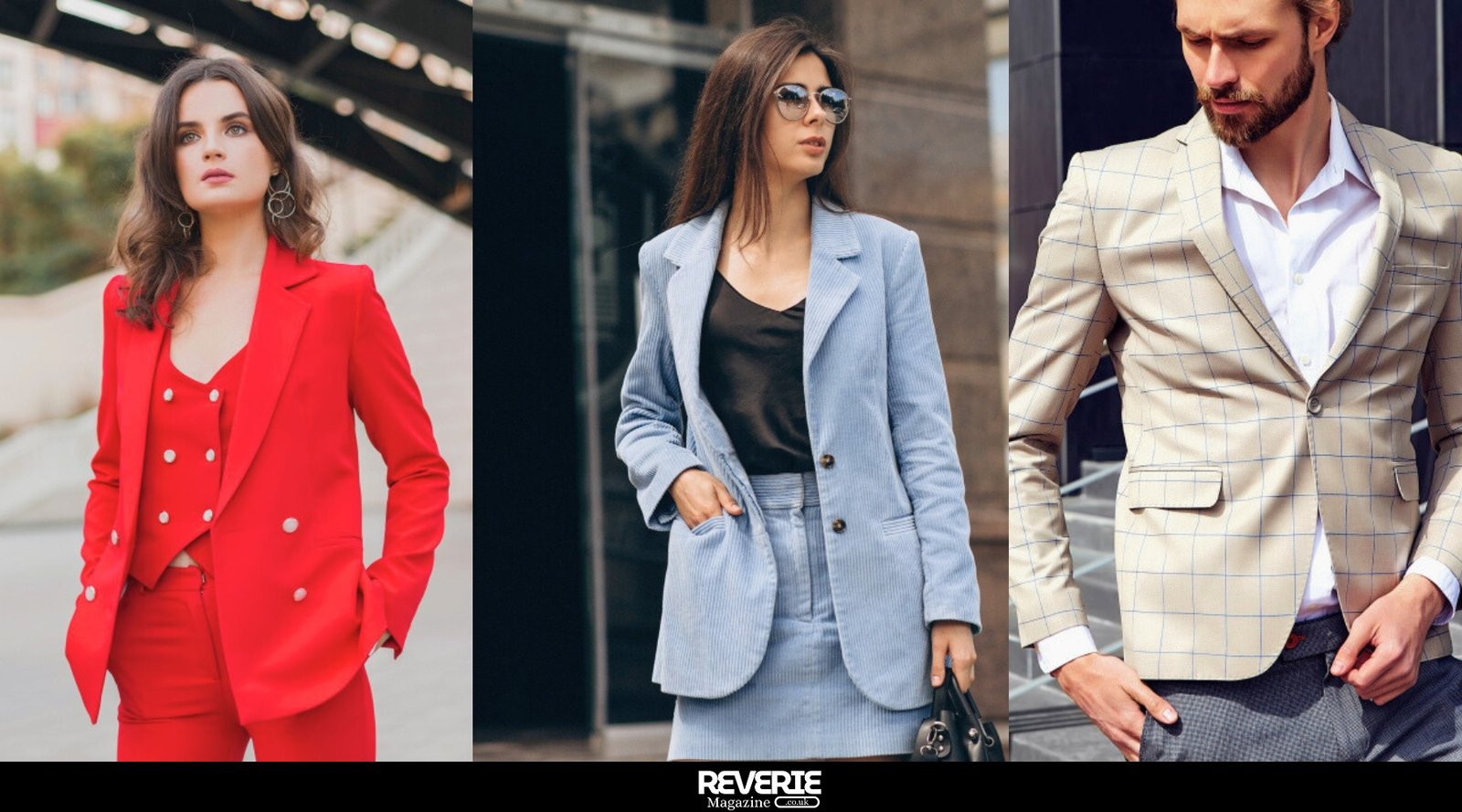
In the ever-evolving world of fashion, few garments have made as subtle yet striking an impact as the Blazertje. Once a niche term borrowed from Dutch linguistic flair, the Blazertje has emerged as a pivotal style staple for wardrobes across the globe. With its blend of comfort, versatility, and chic appeal, this modern twist on classic tailoring responds seamlessly to today’s lifestyle demands. In this SEO-optimized article, you’ll discover everything about Blazertje — from what it is and where it comes from to how to style it, its cultural significance, sustainability trends, and much more.
What Is Blazertje? A Fresh Take on a Classic Jacket
The Blazertje is essentially a reimagined form of the traditional blazer. In Dutch, the suffix “-tje” denotes a smaller, more affectionate or approachable version of something — so literally, Blazertje means “little blazer.”
Unlike classic blazers, which often come with firm structure, shoulder padding, and formality, a Blazertje tends to be lighter, more relaxed in fit, and designed for everyday dressing. Its fabrics vary from breathable cotton and linen to soft jersey and wool blends, making it adaptable to nearly every season.
In essence, the Blazertje bridges traditional tailoring and modern comfort — refined yet playful, polished yet relaxed.
Origins and Linguistic Roots of the Blazertje
The word Blazertje originates from Dutch, where the suffix “-tje” makes nouns smaller or more familiar. Applied to “blazer,” this creates a term suggesting a lighter, less formal version of the jacket.
Originally adopted in European fashion circles, the Blazertje concept has gained traction globally as social media, influencers, and hybrid work culture reframe how we think about dressing — prioritizing versatility and personal expression.
Blazertje vs. Traditional Blazer: What’s the Difference?
| Feature | Traditional Blazer | Blazertje |
|---|---|---|
| Structure | Tailored with shoulder pads | Softer, relaxed silhouette |
| Length | Hip-length or longer | Often waist or mid-hip |
| Fabric | Heavy wool or suiting blends | Lightweight linen, cotton, jersey |
| Occasion | Formal and business | Casual, smart-casual, semi-formal |
| Styling | Typically standard styles | Flexible, expressive ensembles |
The key distinction lies in the spirit of the garment: while the traditional blazer emphasizes formality and precision, the Blazertje suggests ease, adaptability, and a modern aesthetic.
Why Blazertje Is Trending in 2026
In the world of fashion, trends often reflect cultural shifts — and the Blazertje trend is no exception. Several factors contribute to its growing popularity:
1. Evolving Dress Codes
With workplaces adopting flexible dress codes, garments that blend business readiness with casual comfort have surged. The Blazertje fits this need perfectly, reinforcing smart-casual styling without rigidity.
2. Social Media and Influencer Impact
Platforms like TikTok and Instagram showcase creative styling ideas, encouraging users to pair Blazertjes with everything from denim to tailored pants. This visibility has boosted demand, especially among younger demographics.
3. Comfort-Focused Fashion
Post-pandemic lifestyles have emphasized comfort without compromising style. The Blazertje’s soft tailoring and lightweight fabrics meet this shift head-on.
4. Inclusivity and Gender Neutrality
Unlike some traditional fashion items tied to gender norms, Blazertjes often come in inclusive cuts, appealing to a broad range of styles and identities.
Styling the Blazertje for Every Occasion
Whether you’re dressing up or down, the Blazertje provides infinite possibilities. Here’s how to make it work for any setting:
1. Casual Everyday Wear
Pair a cotton or jersey Blazertje with jeans and sneakers for a relaxed outfit that still feels intentional. Add a plain tee or shirt for effortless cool.
2. Smart-Casual Look
Style a linen Blazertje with chinos or tailored trousers. Loafers or boots elevate the outfit for lunch meetings or city strolls.
3. Professional Yet Comfortable
Choose a neutral-tone Blazertje (navy, black, beige) and combine it with dress pants or a skirt for a modern office look that avoids stiff suiting.
4. Weekend Brunch or Social Events
Layer a patterned or vibrant Blazertje over a dress, midi skirt, or casual jumpsuit. Play with accessories like belts or statement jewelry for added personality.
Fabric, Fit, and Selection Tips
To get the most out of your Blazertje, pay attention to fabric and fit:
- Fabrics: Opt for lightweight cotton or linen in warmer weather, and wool blends or jersey for cooler seasons.
- Fit: Blazertjes come in cropped, relaxed, or slightly oversized fits. Choose a silhouette that suits your body type and styling goals.
- Colors & Patterns: Neutral tones ensure timeless outfits, while bold patterns or textures add flair and personality.
Sustainability and Ethical Fashion with Blazertjes
The fashion industry today focuses heavily on sustainability — and Blazertjes fit right in. Because they’re versatile and long-lasting, investing in quality pieces can reduce wardrobe turnover. Many brands now incorporate eco-friendly materials like organic cotton, recycled textiles, and ethically sourced blends into Blazertje designs.
Thrifting or shopping vintage Blazertjes also supports sustainable fashion, letting you find unique pieces while minimizing environmental impact.
Blazertje in Digital Culture and Branding
Beyond fashion, the term Blazertje has found life in digital culture as a unique identifier for personal brands, blog names, social media handles, and creative projects. Its playful sound and stylish connotation make it ideal for SEO and brand memorability.
Used across platforms like Instagram, TikTok, and personal blogs, “Blazertje” helps creators stand out in a crowded online landscape.
Blazertje Shopping Guide: Where to Buy Yours
Blazertjes are widely available from fashion boutiques, online retailers, and even thrift stores. High-end designers feature luxury interpretations, while affordable fast-fashion lines offer accessible versions that still capture style and function.
Look for stores and marketplaces that align with your budget and values — whether you prioritize sustainable brands, unique vintage pieces, or versatile basics.
Conclusion: Embrace the Blazertje Trend
The Blazertje isn’t just another fashion fad — it’s a reflection of today’s evolving style landscape. Combining comfort, adaptability, and polish, it answers the call for garments that move with life rather than against it. From smart-casual office looks to expressive weekend outfits, this “little blazer” packs a big punch in style potential.
Whether you’re a fashion enthusiast, a minimalist dresser, or someone building an SEO-rich brand or blog, the Blazertje concept delivers value and versatility. Embracing it means adding a piece to your wardrobe that’s as practical as it is stylish — and that truly reflects your personal aesthetic in 2026 and beyond.
FAQs About Blazertje
Q1. What is Blazertje in fashion?
The Blazertje is a stylish, lightweight blazer variation that blends classic tailoring with modern ease, making it suitable for casual, professional, and social outfits.
Q2. How do you style a Blazertje?
Pair it with jeans for casual looks, or with trousers and heels for a smart-casual or business-ready ensemble.
Q3. What makes Blazertje different from a regular blazer?
The Blazertje emphasizes relaxed fits, lightweight fabrics, and modern styling flexibility — unlike the more formal structure of traditional blazers.
Q4. Is Blazertje suitable for men and women?
Yes — Blazertjes are gender-neutral and styled across varied silhouettes for all identities.
Q5. Where can I buy a Blazertje?
Blazertjes are available from fashion boutiques, online retailers, sustainable brands, and even vintage or thrift stores.
Q6. Why is Blazertje trending?
Its rise stems from relaxed dress codes, social media influence, comfort-focused fashion, and global adoption of versatile wardrobe pieces.
Q7. What fabrics are popular for Blazertjes?
Cotton, linen, jersey, wool blends, and recycled materials are popular choices — each offering unique comfort and style profiles.
Q8. Can Blazertjes be part of a sustainable wardrobe?
Yes — because they endure trends and often use eco-friendly materials, Blazertjes support sustainable fashion choices.
Q9. How do I care for my Blazertje?
Follow fabric care labels — linen or cotton may be machine-washed gently, while delicate blends might require dry cleaning.
Q10. Are Blazertjes suitable for travel?
Absolutely — their lightweight and often wrinkle-resistant nature makes them perfect for travel wardrobes.
You May Also Read More information: Reverie Magazine
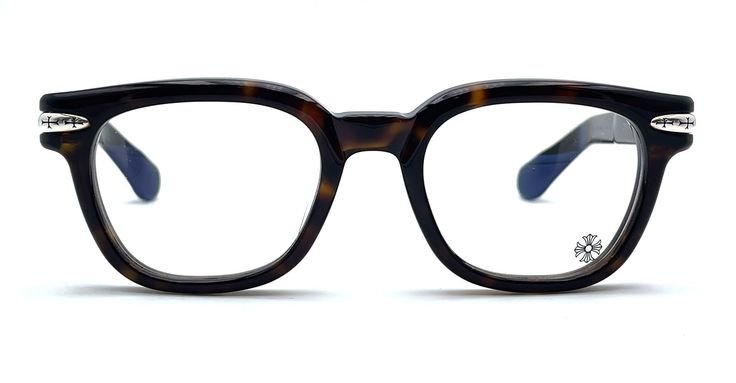
If you’ve spent any time scrolling eyewear accounts on Instagram, you’ve probably noticed the same brand popping up on musicians, stylists, and streetwear collectors alike: Chrome Hearts. What started as a leather and silver jewelry label has become one of the most recognized names in luxury eyewear, and for good reason — the frames genuinely look and feel different from anything else on the market. This guide breaks down what makes them worth the price tag, which styles are actually popular right now, and how to avoid getting burned by a fake.
What Sets Chrome Hearts Glasses Apart
Chrome Hearts didn’t start as an eyewear company. The label began as a leather motorcycle gear brand and grew into a full lifestyle house covering jewelry, clothing, furniture, and eventually eyewear — all still produced in small batches at its Hollywood, California factoryrather than mass-manufactured overseas.
That small-batch approach shows up the moment you pick up a pair. Chrome Hearts glasses frames are typically built from thick Japanese acetate paired with sterling silver hardware, which gives them a noticeably heavier, denser feel than typical designer eyewear. It’s not subtle — you’ll feel the difference in your hand before you even try them on.
The design language is consistent across the catalog too: gothic lettering, cross motifs, fleur-de-lis detailing, and engraved hardware on the hinges and temples. Whether you’re looking at a chrome hearts glasses frame in black acetate or a gold-hardware pair, that signature aesthetic carries through the entire line, which is part of why the brand has such a loyal following instead of one-off hype pieces.
Popular Chrome Hearts Glasses Styles
If you start browsing resale marketplaces, you’ll notice a handful of names come up constantly. Knowing them helps you shop smarter and spot what you actually want, instead of settling for whatever a seller happens to have in stock.
Vagilante and Vagillionaire II are among the most requested round and cat-eye styles, often shown in clear or black acetate with silver cross hardware on the temples. They tend to sit toward the higher end of the price range because of the detail work involved.
Cox Ucker and Bone Prone are heavier, boxier square frames — Bone Prone in particular is frequently seen with a gold cross detail, which has made it a favorite among buyers looking for something with more presence on the face.
Lowrider and See You In Tea lean more understated, closer to a classic optical shape but still carrying the brand’s engraved hardware. These tend to work well for people who want the Chrome Hearts name without an oversized statement frame.
Color-wise, black chrome hearts glasses and clear chrome hearts glasses are the two most searched-for finishes, but gold, green, and black-and-gold combinations show up regularly in newer drops. If you’re deciding between chrome hearts clear glasses and a darker acetate, it mostly comes down to whether you want the frame to blend into an outfit or stand out as the focal point.
How Much Do Chrome Hearts Glasses Cost
This is usually the first question people have, and the honest answer is: it varies a lot depending on the model, materials, and whether you’re buying new or resale. Frame prices at retail generally run from around $700 on the lower end up to well over $7,000 for rare or heavily detailed piecesacross the current Chrome Hearts eyewear lineup for men. Editors’ Pick and limited styles sit at the top of that range, while simpler acetate frames without heavy metalwork land closer to the bottom.
If you’re shopping resale platforms, you’ll sometimes find previously owned pairs at a discount off retail, but be cautious — steep discounts on “new” pairs are one of the more common red flags for counterfeits, which we’ll get into shortly.
Prescription, Blue Light, and Reading Options
A lot of people assume Chrome Hearts only makes fashion frames, but the brand’s eyewear works just like any other optical frame — you can absolutely get chrome hearts prescription glasses fitted with your own lenses through an optician, provided the frame style supports it. Rimless and semi-rimless styles have less material to drill into, so it’s worth confirming with your optical shop before committing to a specific frame if you need a strong prescription.
Blue light options are a newer addition to the conversation. Chrome hearts blue light glasses aren’t a dedicated product line from the brand itself in most cases — instead, many buyers have their preferred Chrome Hearts frame fitted with blue-light-filtering lenses at their local optician, the same way you would with any other designer frame. If you work at a screen all day and love the aesthetic, this is usually the easiest path rather than waiting on a brand-specific release.
Reading glasses work the same way: pick the frame shape you like, then have a low-diopter reading lens fitted. There’s no reason a $1,000 frame should sit in a drawer just because you need cheaters for your phone.
Men’s, Women’s, and Unisex Fit
Chrome Hearts doesn’t draw a hard line between men’s and women’s eyewear the way a lot of mainstream brands do. Most styles are cut fairly unisex, and you’ll see the same frame shapes worn by men and women alike — the difference tends to come down to size and lens shape rather than a strict gendered lineup.
That said, if you’re browsing men’s chrome hearts glasses specifically, you’ll typically see heavier, squarer frames like Cox Ucker showing up more in men’s styling content, while cat-eye and rounder shapes like Vagilante get worn across both. When you’re deciding what looks good on your face shape, it’s worth trying a few styles on camera before buying — these frames are bold enough that a shape mismatch will be obvious, whereas the right one genuinely elevates an outfit.
How to Tell If Chrome Hearts Glasses Are Real
Because the brand carries such resale value, counterfeits are everywhere — and this is genuinely the section worth reading twice before you buy secondhand or from an unfamiliar seller.
Check the fold. Genuine Chrome Hearts glasses are engineered so the left arm folds in first. if you try folding the right arm in first, authentic pairs won’t close flat. Most fakes fold flat regardless of which arm goes in first, which makes this one of the fastest tellsaccording to eyewear specialists who handle these pieces regularly.
Look at the nose pad engraving. On metal-frame styles, the logo engraved into the nose pads should be sharp, deep, and identical on both sides. Shallow, off-center, or slightly blurry engraving is a strong sign of a replica.
Feel the weight. Real frames use dense acetate and sterling silver hardware, so they’re noticeably heavier than a typical fashion frameand that weight comes from premium Japanese acetate combined with sterling silver hardware. A pair that feels light or hollow is worth a second look.
Inspect the hinges and edges. Authentic hinges move with tension and precision rather than feeling loose or wobbly, and the acetate edges should be smooth with no rough or uneven cutssince replicas often show rough cuts or poorly finished joints.
Check the packaging. A genuine pair should arrive with a branded case, cleaning cloth, and documentation consistent with the brand’s usual packaging standard — counterfeiters often nail the glasses but skip corners on the box.
Be skeptical of the deal itself. Chrome Hearts controls its distribution tightly, and steep, unexplained discounts on supposedly new pairs are one of the more reliable red flags, regardless of how good the photos look.
Where to Buy Chrome Hearts Glasses
The safest route is always the brand’s own official store or an authorized optical retailer that carries the line — these have direct accountability if something’s wrong with your order. Several dedicated eyewear boutiques also carry curated Chrome Hearts collections in person, which is genuinely useful if you want to feel the weight and try the fold-test before buying.
Resale platforms and consignment sites can be a good option for older or discontinued styles, especially if you’re chasing a specific colorway that’s no longer in production, but always run through the authenticity checks above before paying — or buy from a platform that offers third-party authentication as part of the sale.
Once you’ve got a pair, a proper chrome hearts glasses case isn’t just for looks. These frames are an investment, and a hard case with a microfiber cloth will protect the acetate finish and hardware far better than tossing them loose in a bag.
Frequently Asked Questions
Are Chrome Hearts glasses worth the money?
For most buyers, yes — the acetate and sterling silver construction genuinely outlasts cheaper frames, and the resale value holds up better than most designer eyewear.
Can I put my prescription in Chrome Hearts frames?
Yes, in most styles. Take the frame to your optician and confirm the shape supports your lens strength before ordering.
Do Chrome Hearts glasses come in blue light versions?
Not typically as a dedicated product line — most buyers have blue-light lenses fitted into their chosen frame by an optician.
How can I tell if my Chrome Hearts glasses are fake?
Check the fold direction, nose pad engraving depth, frame weight, and hinge tension. Genuine pairs fold left-arm-first and feel noticeably heavy.
What’s the price range for Chrome Hearts glasses?
Roughly $700 to $8,000 depending on the model, materials, and how limited the style is.
Final Thoughts
Chrome Hearts glasses aren’t for everyone, and that’s kind of the point they’re built for people who want their eyewear to feel as intentional as the rest of their outfit. If you’re buying your first pair, spend less time chasing the “it” style of the month and more time checking the fold, the weight, and the seller’s track record. A frame this well-made should last years, and doing that homework upfront is what separates a smart investment from an expensive mistake.
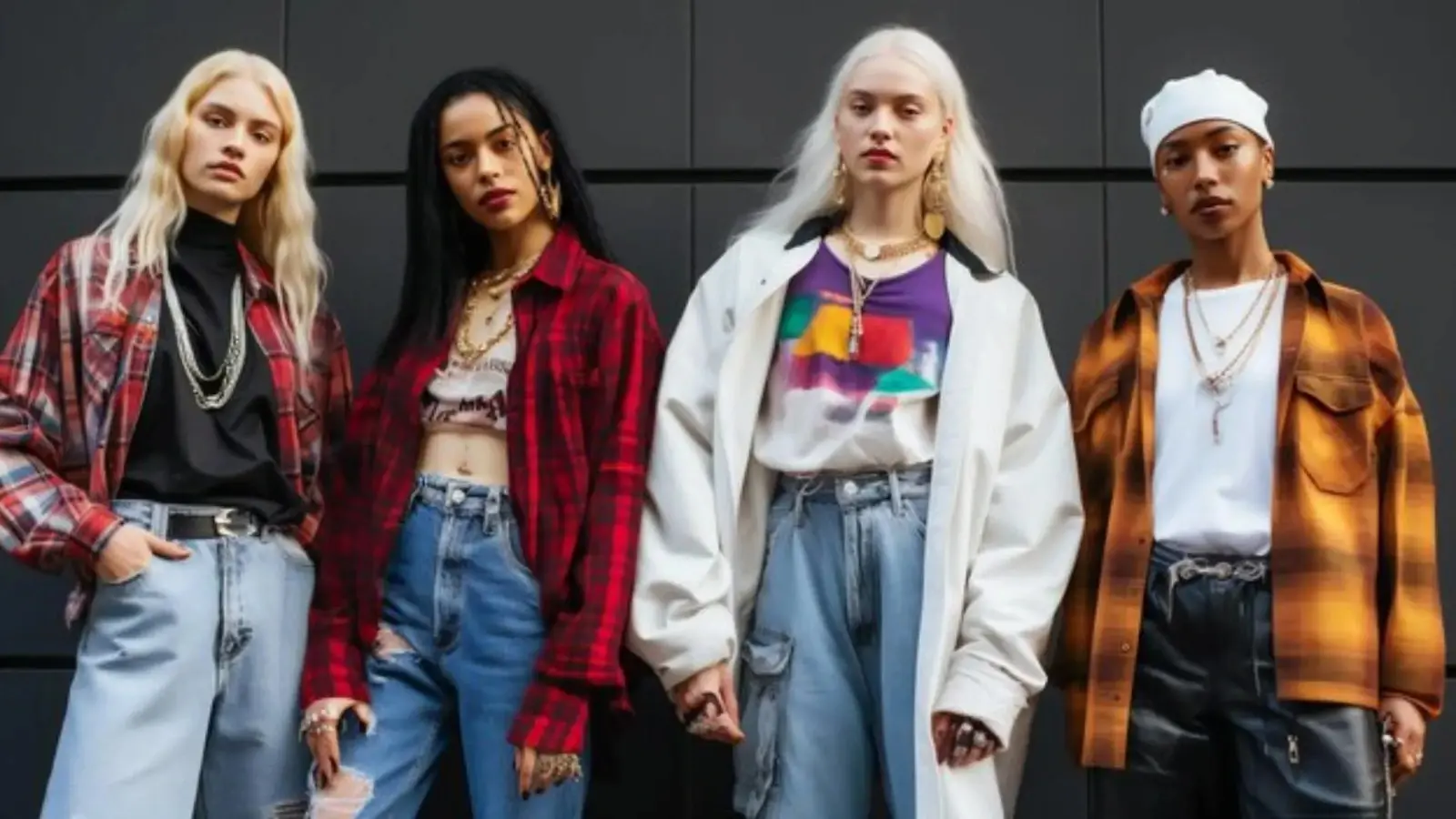
I still remember the exact moment low-rise jeans stopped being a joke and started showing up in my client fittings again — a 24-year-old asked me to help her “make Britney circa 2001 work for a job interview.” That request would have sounded absurd five years ago. Today it’s Tuesday. Y2K fashion isn’t a costume anymore; it’s a working part of the modern wardrobe, and knowing how to wear it well is what separates a look that feels current from one that feels like a Halloween throwback.
What Is Y2K Fashion, Actually?
Y2K fashion refers to the clothing and aesthetic that dominated roughly 1997 through 2004 — the stretch of years surrounding the turn of the millennium. The name borrows from “Y2K,” the shorthand for the year 2000 computer bug scare, and the fashion of that era carried the same jittery, hopeful, slightly chaotic energy: part space-age optimism, part bubblegum pop maximalism.
Think low-rise denim, metallic fabrics, tiny sunglasses, velour tracksuits, and logo-heavy tops. It was the era of Britney Spears, Destiny’s Child, and Paris Hilton setting the tone from magazine covers rather than TikTok feeds. What made the original Y2K look distinct wasn’t any single garment — it was the willingness to clash textures, mix “cheap” and “expensive” pieces, and prioritize fun over polish.
The version of Y2K fashion trending now isn’t a reenactment. It’s a remix, filtered through two decades of hindsight and a generation that never lived through the original but recognized the aesthetic instantly online.
Why Y2K Fashion Is Having a Real Moment in 2026
Fashion cycles roughly every 20 to 30 years, and 2026 sits squarely in the window where anyone who was a teenager in the early 2000s is now in their late thirties or forties — old enough to feel nostalgic, young enough to still be shopping. That’s the mechanical explanation. The cultural one is messier and more interesting.
Gen Z discovered Y2K fashion the way most trends surface now: through archival content, old red carpet footage, and thrifted finds posted on social platforms. Without having lived through the era’s original context, they treat it as a costume box of aesthetics to pull from rather than a fixed set of rules. That’s part of why 2026’s Y2K looks less like a straight revival and more like a hybrid — low-rise jeans styled with a tailored blazer, or a baby tee under a structured coat.
There’s also a practical driver. Fast fashion retailers and mid-tier brands noticed the search demand early and moved fast, restocking archive-style pieces and commissioning new ones that reference the silhouette without copying it exactly. When supply meets demand that fast, a trend stops being a niche subculture thing and becomes a mainstream retail category.
The Core Pieces Defining Y2K Fashion Right Now
A handful of garments and details keep showing up across runway references, street style, and retail bestseller lists. If you’re building a Y2K-inspired wardrobe, these are the anchor pieces worth understanding first.
Low-rise jeans and skirts. The signature Y2K silhouette. In 2026, most brands cut them slightly higher than the true early-2000s rise, which makes them wearable for more body types without sacrificing the aesthetic.
Baby tees and fitted graphic tops. Cropped, snug, often with a bold logo or playful graphic. They work as a standalone statement or layered under something structured.
Metallics and shine. Silver, chrome, iridescent fabrics — anything that reads “futuristic” rather than “formal.” This is one of the more forgiving Y2K elements because a single metallic accessory or jacket can carry an otherwise simple outfit.
Velour tracksuits. Less of an everyday staple now and more of a statement piece, usually worn as a complete matching set rather than mixed with other trends.
Tiny sunglasses, chunky belts, and butterfly clips. The accessories are doing as much work as the clothing. A pair of rectangular micro-sunglasses or a chain belt can shift a plain outfit firmly into Y2K territory.
Platform shoes and chunky sneakers. Height and volume at the foot balance out the more fitted pieces up top, which is part of why the silhouette reads as intentional rather than dated.
Y2K Fashion for Women: Building an Outfit That Doesn’t Look Costumey
The mistake I see most often — with clients and in casual street style — is treating Y2K as an all-or-nothing look. Full velour set, butterfly clips, tiny sunglasses, platform sneakers, all at once. That reads as a themed party outfit, not a 2026 wardrobe choice.
A better approach: pick one “hero” Y2K piece and build the rest of the outfit around modern basics. A metallic mini skirt paired with a plain fitted black top and clean sneakers looks intentional. So does a baby tee worn under a tailored blazer with straight-leg trousers instead of low-rise jeans.
Texture contrast matters more than people expect. The original Y2K aesthetic thrived on mixing shiny with matte, tight with loose, cheap-feeling fabric with expensive-feeling fabric. Recreating that friction — rather than matching everything perfectly — is what makes an outfit feel authentically Y2K instead of like a single retail rack.
Color also does a lot of quiet work. Pastels, chrome silver, and saturated primary colors were common in the original era. Leaning into one of those palettes, rather than defaulting to all-black, signals the reference more clearly.
Y2K Fashion for Men: The Side of the Revival That Gets Skipped
Most coverage of this trend defaults to women’s fashion, but men’s Y2K fashion has quietly built its own identity in 2026, and it’s arguably easier to wear well because it borrows less from the era’s more extreme silhouettes.
Baggy denim is doing the heaviest lifting. Wide-leg and loose-fit jeans, sometimes with a slight low-rise, anchor most men’s Y2K outfits. They’re paired with fitted or slightly cropped tops rather than oversized ones, which creates the same proportion contrast the women’s looks rely on.
Shine and metallic detailing show up in a more restrained way — a silver chain, a metallic-finish jacket, tinted sunglasses — rather than a full head-to-toe metallic look. Bucket hats, wallet chains, and chunky jewelry round things out, but the rule of thumb that keeps it from tipping into costume territory is limiting bold accessories to two or three per outfit.
Brands that leaned into a slim-but-not-skinny, slightly shiny aesthetic in the early 2000s are being referenced again, though today’s versions favor comfort-first fits. The net result is a men’s Y2K fashion that feels more like an evolution of current streetwear than a strict period throwback — baggy pants, a fitted graphic tee, and one standout accessory covers most of it.
What Is Real Y2K Fashion vs. What’s Been Reinvented
It’s worth being honest about the difference between authentic period pieces and what’s currently being sold as “Y2K.” Real Y2K fashion — actual garments from 1997 to 2004 — tends to run smaller in sizing, uses cheaper synthetic fabrics by today’s standards, and includes details that modern reproductions often skip, like specific logo placements or low-quality rhinestone work that hasn’t aged perfectly.
Thrifted or vintage-sourced pieces carry that texture and history, which is part of why some shoppers specifically seek out “real Y2K fashion” rather than a 2026 reproduction. If that authenticity matters to you, vintage resale platforms and thrift stores are a better source than fast fashion retailers, which are producing new pieces inspired by the look rather than reissuing the originals.
Neither approach is wrong. Reproductions are more consistent in sizing and often more comfortable; original pieces carry more character but require more hunting and alteration.
Where the Trend Goes From Here
Y2K fashion in 2026 isn’t static, and it’s already splitting into sub-trends — a more futuristic, tech-influenced version sitting alongside the softer, pastel-heavy original nostalgia look. Expect continued blending with current streetwear and tailoring rather than a pure period recreation, since that’s what’s kept the trend wearable long enough to outlast a single viral moment.
Frequently Asked Questions
What years count as Y2K fashion?
Y2K fashion generally refers to styles popular from about 1997 to 2004, centered on the turn-of-the-millennium aesthetic.
Is Y2K fashion still trending in 2026?
Yes. It’s moved from a niche nostalgia trend into a mainstream retail category, with most major fast fashion and mid-tier brands stocking Y2K-inspired pieces.
How do I wear Y2K fashion without looking like I’m in costume?
Pick one standout Y2K piece and pair it with modern, simple basics rather than combining every trend element at once.
Is Y2K fashion only for women?
No. Men’s Y2K fashion has its own growing identity, built around baggy denim, fitted tops, and restrained metallic or accessory details.
Where can I find real, original Y2K fashion pieces?
Thrift stores and vintage resale platforms are the most reliable sources for authentic period pieces, as opposed to new reproductions sold by mainstream retailers.
Final Thought
Y2K fashion’s comeback works because it’s being treated as a set of ingredients rather than a costume to copy exactly. The people wearing it best in 2026 aren’t recreating 2003 — they’re borrowing its confidence, its shine, and its willingness to have fun with proportion, then filtering all of that through clothes that actually fit modern life. Start with one piece you genuinely like, build around it with what’s already in your closet, and let the rest follow.
Introduction
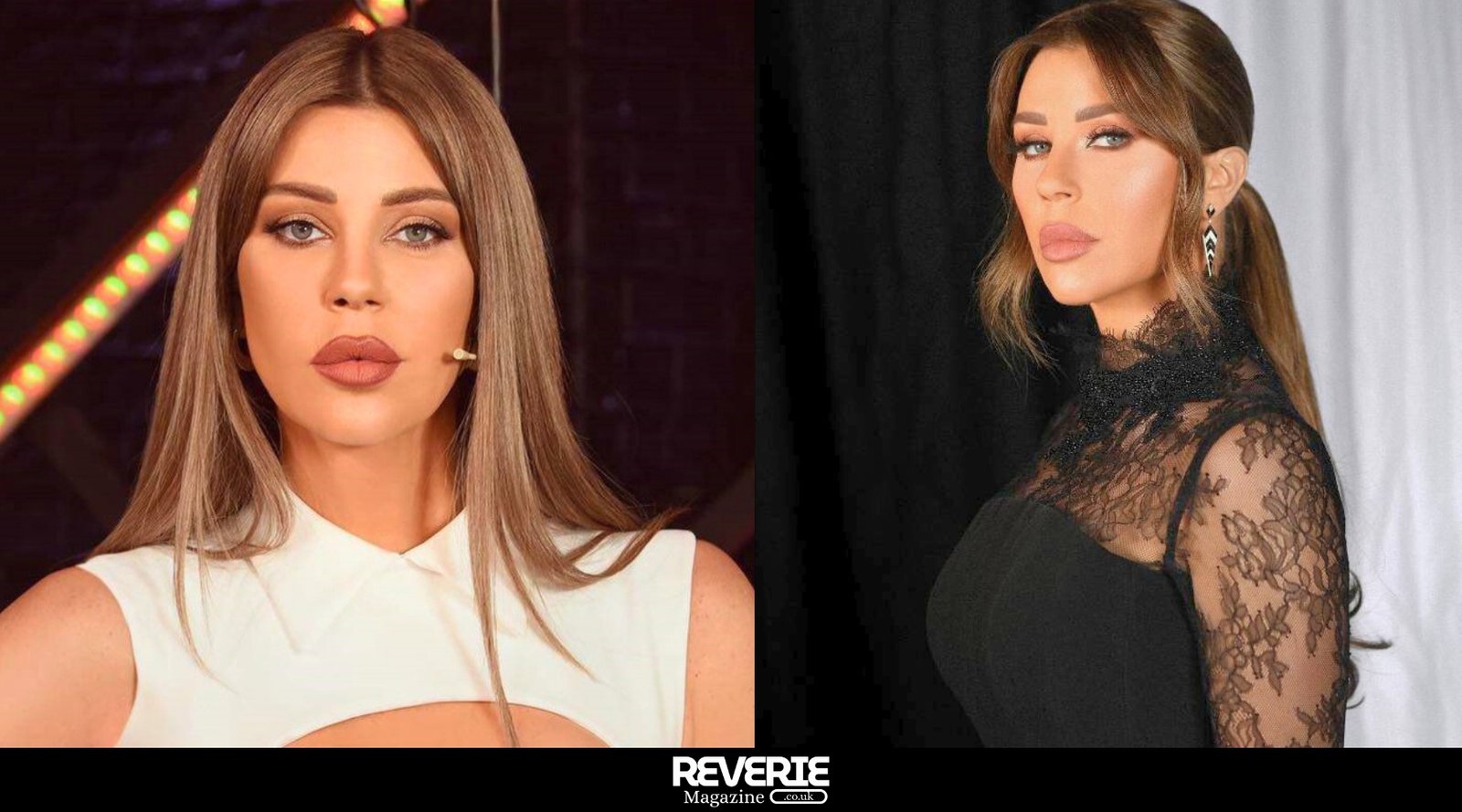
In today’s highly competitive fashion world, many talented designers struggle to turn creativity into a sustainable and influential career. People often ask: “How does someone break through from relative obscurity to global recognition while balancing business success, media presence, and personal authenticity?” The inspiring journey of Carla Diab, a Lebanese‑American fashion designer, entrepreneur, and television personality who transformed her passion into a multifaceted global brand. By blending business knowledge with creative innovation and strategic media engagement, Carla Diab turned challenges into opportunities, paving a path that both aspiring designers and business professionals can learn from.
Who is Carla Diab?
Carla Diab is a Lebanese‑American fashion designer and businesswoman known for her luxury fashion label and notable presence on television and social media. Born on October 11, 1985, in Beirut, Lebanon, she later moved to the United States, where she grew up and pursued her education. While many designers focus only on creativity, Carla balanced strategic business understanding with artistic flair, a combination that ultimately propelled her to prominence.
Early Life & Background
Carla’s formative years were marked by a deep interest in art, design, and entrepreneurship. Her upbringing in a family that valued culture and business laid the groundwork for her future endeavors. After relocating to the U.S., she completed her schooling in Ohio and earned a finance degree from Cleveland State University, giving her a unique advantage in both creative design and business management.
Education and Shaping Her Vision
Although her passion was always fashion, Carla understood that creative talent alone wasn’t enough to build a brand. Studying finance equipped her with the tools to manage budgets, marketing strategies, brand positioning, and financial sustainability — skills that many designers struggle to master early in their careers.
The Birth of a Fashion Brand
Launching Her Own Label
In the early 2000s, Carla launched her own fashion line — a decision that marked the beginning of her transformation from a promising designer to an influential fashion entrepreneur. Her designs were distinguished by their elegant lines, high‑quality materials, and versatility, blending Middle Eastern cultural aesthetics with contemporary Western influences. This signature style quickly attracted attention in fashion circles and among consumers worldwide.
Building a Distinct Identity
Carla’s brand isn’t just about clothes — it’s about empowering women to feel confident and sophisticated. Her collections span ready‑to‑wear pieces, high couture lines, and custom designs, all built around her philosophy of combining timeless elegance with modern versatility.
Television and Media Presence
A Multi‑Platform Career
Unlike many designers who focus solely on fashion, Carla expanded her influence through television. She gained visibility through appearances and roles on highly watched shows such as Project Runway and The Real Housewives of Beverly Hills, where her fashion expertise and charismatic presence appealed to wide audiences.
Hosting and Public Engagement
In Lebanon, she hosted the local edition of Dancing With the Stars on MTV Lebanon and the fashion‑focused talk show “Fi‑Male” on LBCI, solidifying her reputation as both a style expert and engaging TV personality. Her media work not only boosted her personal brand but also helped bring global attention to her fashion label.
Net Worth & Financial Success
Carla Diab’s earnings stem from multiple income streams, such as her fashion line sales, television appearances, brand partnerships, and social media influence. As of 2025, her estimated net worth is around $5 million, reflecting steady growth from her diversified business engagements.
Brand Endorsements and Partnerships
Her collaborations with influential fashion names and sponsorships have helped bolster her earnings while expanding her brand reach. These partnerships leverage her social presence and fashion reputation to create mutually beneficial marketing opportunities.
Personal Life
Carla Diab leads a life that balances professional success with personal fulfillment. Although she tends to keep details of her private life relatively guarded, it is known that she was previously married to comedian Tony Abou Jaoude, with whom she has a daughter, before they parted ways. She places a strong emphasis on her family while pursuing her creative and business goals.
Philanthropy and Giving Back
Carla’s success isn’t limited to fashion and business; she is also actively engaged in philanthropy. She supports causes such as women’s empowerment, education, and animal welfare. Through mentorship programs and charity events, she uses her platform to uplift others, showing that success is most meaningful when shared.
Style and Influence on Modern Fashion
Carla’s design philosophy focuses on timeless sophistication, attention to detail, and inclusivity, allowing women of varied cultural backgrounds and personal styles to feel represented. Her ability to marry traditional and contemporary aesthetics has influenced many emerging designers and positioned her as a voice for modern luxury fashion.
Carla Diab’s Global Impact
Expanding Reach
From hosting fashion shows to creating luxury collections worn by high‑profile clients, Carla has established a global footprint. Her designs have been featured in fashion showcases and worn by celebrities, boosting her visibility and brand cachet worldwide.
Vision for the Future
Carla continues to explore new horizons, including potential expansions of her brand into accessories, eco‑fashion innovations, and global retail outlets. Her blend of creativity and strategic vision positions her for continued influence in the fashion world.
Conclusion
Carla Diab’s journey from a young creative with passion to a respected fashion icon and business leader is a testament to the power of perseverance, strategic thinking, and authentic self‑expression. Her story shows that the right mix of creativity, business acumen, and media engagement can build a brand that resonates across cultures and industries. As a creator, entrepreneur, and philanthropist, Carla continues to inspire those who dare to dream big and work smarter.
Frequently Asked Questions (FAQs)
1. What made Carla Diab famous?
Carla Diab gained prominence through her fashion label, television appearances on shows like Project Runway, and her charismatic role as a host on major networks.
2. Where was Carla Diab born?
She was born on October 11, 1985, in Beirut, Lebanon, and later moved to the United States.
3. What is Carla Diab’s net worth?
As of 2025, her estimated net worth is approximately $5 million, generated through fashion, TV, endorsements, and business ventures.
4. Has Carla Diab appeared on reality TV?
Yes, she has appeared on Project Runway and The Real Housewives of Beverly Hills, among other shows.
5. Does Carla Diab engage in charity?
Yes, she supports educational programs, women’s empowerment, and animal welfare initiatives.
You May Also Read More information: Reverie Magazine

Allysplay.com: The Ultimate Guide to Amazing Entertainment

Fascisterne: The Shocking Truth Behind Its History and Meaning

TozyMagazine.com USA: Your Ultimate Guide to Trending News

Jynxzi Net Worth in 2026: How the Twitch Star Built His Million-Dollar Gaming Empire

Blazertje: The Ultimate Guide to the Stylish “Blazertje” Fashion Trend

Darry Ring: The Unique Engagement Ring Brand That Symbolizes True Love
-
Net Worth8 months ago
Jynxzi Net Worth in 2026: How the Twitch Star Built His Million-Dollar Gaming Empire
-
 Lifestyle8 months ago
Darry Ring: The Unique Engagement Ring Brand That Symbolizes True Love
-

 Celebrity8 months ago
Hunter Schafer Young: Early Life, Rise to Fame, and Inspiring Journey
-

 Celebrity8 months ago
Caroline Fentress: Inside the Life of Chris O’Donnell’s Wife
-
 Celebrity8 months ago
Atlin Owens: The Rising Star Shaping His Own Legacy
-

 Celebrity8 months ago
Casey Beane: The Life, Career, and Impact Behind the Name
-
 Fashion3 months ago
Y2K Fashion Styling Guide: How to Wear 2000s Trends in 2026
-

 Fashion8 months ago
Carla Diab: Life, Career, and Achievements of the Rising Star